The Role of Luck in Casino Games
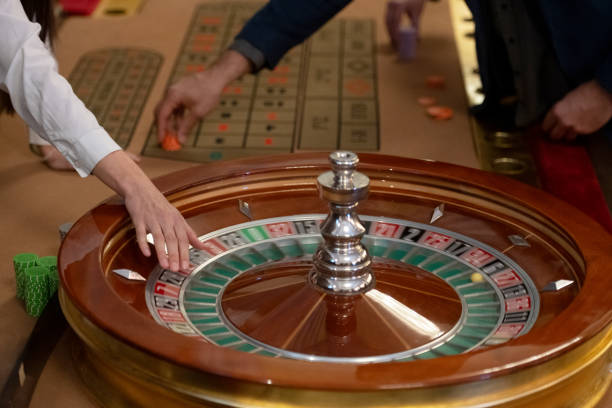
Luck is often the first factor that comes to mind when discussing casino games. In many instances, the outcome of games such as slot machines and roulette is determined entirely by chance. For example, when pulling the lever on a slot machine, players have no control over the symbols that land. This element of randomness is what makes these games appealing to many, as the potential for a huge payout can happen at any moment, regardless of a player’s experience or strategy. Many enjoy exploring online casino australia options, and the thrill associated with the unpredictability of results draws countless players to these games.
Moreover, luck fuels the excitement and anticipation of casino games. Gamblers often feel a rush when they place bets, driven by the thrill of uncertainty. This excitement is cultivated by the understanding that anyone can win big at any time, which helps to create an electrifying atmosphere in casinos. While players utilize various strategies hoping to shift the odds slightly in their favor, the reality is that luck remains a dominant force in the short run. This unpredictability can lead to both triumphant highs and devastating lows, making the gaming experience emotionally charged.
An example of the luck factor can be seen in popular games like craps, where the roll of the dice decides the winner. Even the most seasoned players cannot accurately predict the outcome of each roll, demonstrating that no amount of skill can change the inherent unpredictability of luck. In essence, while skill can enhance a player’s understanding and approach, luck ultimately dictates the results in many casino activities. This leads to a unique player experience where fortunes can change in an instant, highlighting the dramatic influence of luck in the casino world.
The Importance of Skill in Strategic Games
While luck plays a significant role in many casino games, skill becomes increasingly crucial in others, particularly those involving strategy, such as poker and blackjack. In poker, players must read their opponents, calculate odds, and make strategic bets, which requires a deep understanding of the game. Skilled players often outperform those who rely solely on luck, as their decisions are based on logic and experience rather than random chance. This distinction emphasizes the merit of skillful gameplay, which can lead to consistent success over time.
In blackjack, a player can utilize card counting as a strategy to gain an edge over the house. By keeping track of which cards have been played, a skilled player can make more informed decisions about when to hit, stand, or double down. This use of skill demonstrates how certain games allow for player agency, enabling skillful individuals to minimize the effect of luck and enhance their odds of winning consistently. This strategic element not only boosts a player’s confidence but also raises the stakes of gameplay.
However, it is essential to acknowledge that even in skill-based games, luck still plays a role. A skilled poker player can leverage their expertise to make better decisions, but they may still be dealt poor hands or face unexpected bluffs. Thus, skill and luck coexist in these games, with each playing a critical role in determining the overall outcome. This duality creates a fascinating environment where players can appreciate the balance of strategy and chance, ultimately enriching their gaming experience.
The Interplay of Luck and Skill
The dynamic between luck and skill in casino environments creates a unique gaming landscape. In numerous instances, games can oscillate between being luck-driven and skill-oriented, depending on the player’s approach and the specific rules of the game. For example, while roulette is predominantly a game of chance, some players may develop betting systems that they believe can improve their odds, even if these systems have no scientific backing. This belief in strategy amidst randomness showcases the human tendency to seek patterns, even when engaging with fundamentally random games.
Moreover, this interplay can be observed in tournaments, where skilled players engage in games with elements of luck. In multi-table poker tournaments, for instance, players must rely on their skills to navigate various opponents while also dealing with the randomness of card distribution. This blend keeps the competition exciting, as even the most skilled players can find themselves at the mercy of luck, reinforcing the notion that both elements are critical to casino outcomes. The thrill of competing against others while grappling with the unpredictable nature of luck adds depth to the gaming experience.
Ultimately, the balance of luck and skill in casino games can influence the overall player experience. For many, the thrill of waiting for luck to strike is paired with the satisfaction of employing skillful tactics to enhance chances. This synergy not only captivates players’ attention but also contributes to a diversified gaming experience where strategy and chance coexist harmoniously. It is this intricate relationship that keeps players returning, as they seek to harness both elements in pursuit of their gaming aspirations.
Psychological Effects of Luck and Skill
The interplay of luck and skill in casinos also has profound psychological implications for players. The perception of luck can often lead to a phenomenon known as the “gambler’s fallacy,” where individuals believe that past events affect future outcomes. For example, a player might mistakenly think that after several losses on a slot machine, a win is “due.” This belief can lead to reckless betting behavior, fueled by the hope that luck will soon favor them. Such cognitive biases highlight how luck can manipulate player behavior, affecting their decision-making processes.
Conversely, skilled players often exhibit a different mindset, grounded in the understanding that success is not solely reliant on chance. These players tend to approach the game with a disciplined strategy, leveraging their skills to make calculated decisions. This confidence can significantly enhance their enjoyment of the game, even in the face of inevitable losses, as they feel empowered by their abilities rather than being mere victims of chance. This psychological resilience allows them to enjoy the game for its strategic elements rather than becoming overly focused on luck.
The psychological impact of luck versus skill can further influence social dynamics within a casino. When players witness skilled opponents winning, it can create a mixture of admiration and jealousy, fostering a competitive atmosphere. This emotional engagement is crucial for the gambling industry, as it keeps players returning, drawn not just by the potential for wins, but also by the thrill of skillful competition against other players and the unpredictable nature of luck. The social interactions surrounding these experiences contribute to the overall allure of the casino environment.
Exploring the Casino Experience
When visiting a casino, players experience a blend of luck and skill that shapes their overall experience. The environment is designed to amplify the excitement associated with both elements. Bright lights, the sounds of spinning reels, and the cheers of winners create an immersive atmosphere where luck feels tangible. Meanwhile, the tables for skill-oriented games are often quieter, filled with focused players intent on analyzing their strategies. This contrast between the vibrant chaos of luck-driven games and the calculated calm of strategic play enriches the casino atmosphere.
The diversity of games available in a casino enhances this duality. Slot machines, which rely heavily on luck, offer quick, entertaining experiences ideal for casual players. In contrast, table games such as poker and blackjack attract those who enjoy the intellectual challenge of skill-based play. This wide range of options ensures that players of all types can find their niche, whether they are seeking an adrenaline rush or an engaging strategic duel. The availability of diverse gaming options caters to different preferences, ensuring that everyone can find enjoyment.
Additionally, the casino experience is enriched by social interactions that arise from both luck-driven and skill-based play. Players often engage in conversations, sharing tips and strategies, or simply celebrating each other’s wins. This camaraderie is part of what makes casinos unique, as they serve as social hubs where individuals can enjoy the thrill of gaming together, creating memories that are shaped by both luck and skill. These interactions foster a sense of community among players, enhancing the overall enjoyment of the casino experience and highlighting the social aspects of gambling.