Understanding the psychological effects of gambling a deep dive into decision-making processes
The Nature of Gambling and Its Allure
Gambling has been a part of human culture for centuries, captivating individuals with the prospect of wealth and excitement. At its core, gambling appeals to our innate desires for risk and reward. When people engage in gambling activities, they are often drawn by the thrill of uncertainty—an unpredictable outcome that can lead to significant gains. This uncertainty activates the brain’s reward system, releasing dopamine, a neurotransmitter linked to pleasure and motivation, further reinforcing the desire to continue participating. If you’re interested in exploring further, check out the best crypto betting sites for more entertainment options.
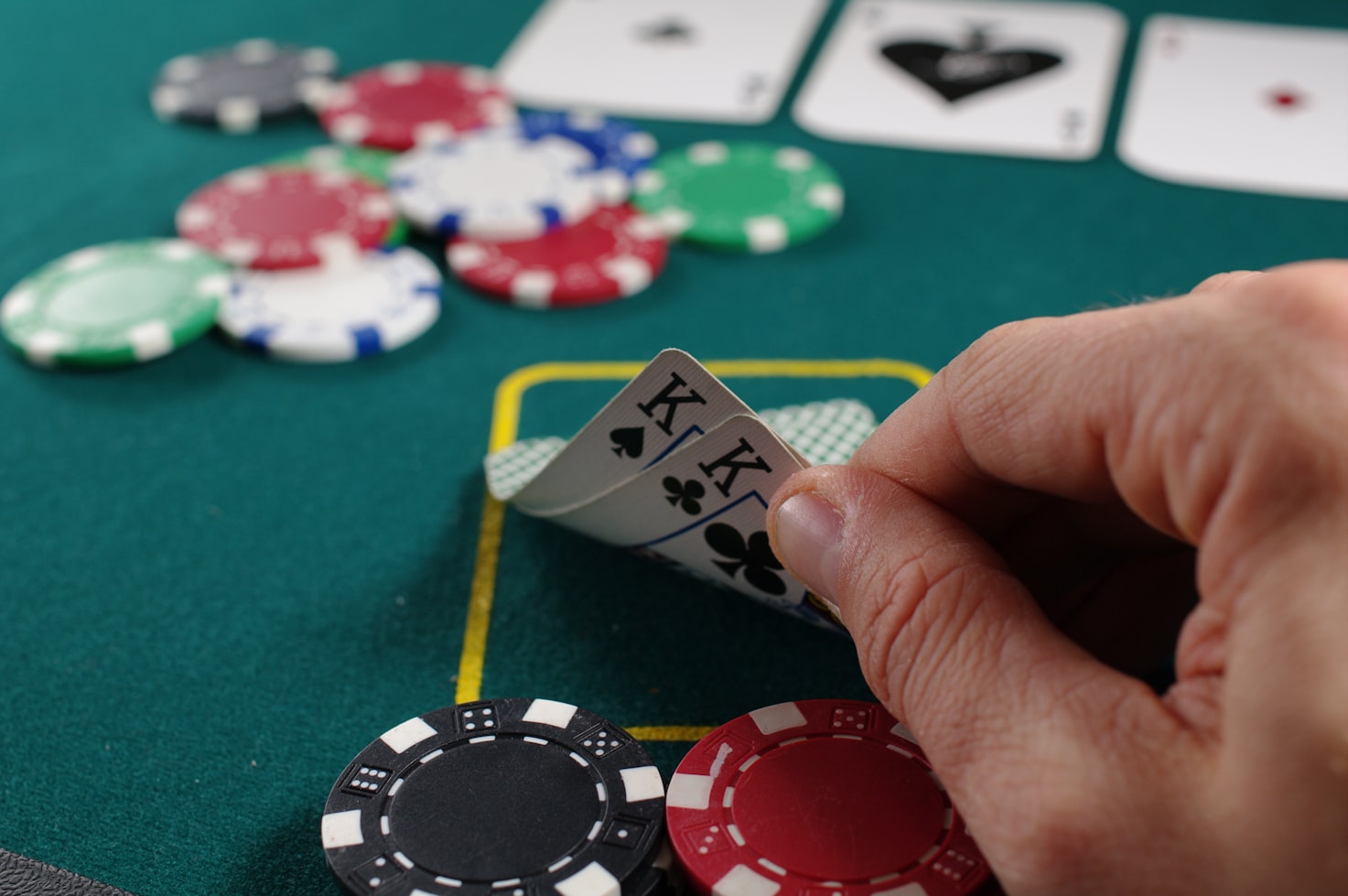
The psychological allure of gambling is also rooted in the concept of escape. Many individuals turn to gambling as a way to escape from daily stressors or personal issues, seeking solace in the fast-paced environment of casinos or online platforms. This escape can become addictive, as the temporary relief from reality is often followed by feelings of regret or guilt, creating a complex emotional cycle that can be difficult to break.
Additionally, the social aspect of gambling enhances its appeal. Many people view gambling as a communal activity, whether at a casino with friends or in an online environment where they can engage with others. This social interaction fosters a sense of belonging and camaraderie, making the experience more enjoyable. However, it can also lead to peer pressure, encouraging individuals to gamble more than they initially intended, thus compounding the psychological effects of the activity.
Cognitive Biases and Decision-Making in Gambling
Cognitive biases play a significant role in the decision-making processes of gamblers. One of the most prevalent biases is the illusion of control, where individuals believe they can influence outcomes that are inherently random, such as dice rolls or card draws. This belief often leads to overconfidence, prompting gamblers to take higher risks, convinced that their skills or strategies will yield favorable results. This misjudgment can result in substantial financial losses and reinforce addictive behavior.
Another key cognitive bias is the gambler’s fallacy, which is the mistaken belief that past events can influence future outcomes in random games. For instance, a player who experiences several losses may believe they are “due” for a win, leading them to wager more in hopes of recouping losses. This fallacy can perpetuate a cycle of loss, as the gambler fails to recognize that each event is independent, ultimately skewing their decision-making process and financial stability.
Understanding these cognitive biases is essential for addressing the psychological impact of gambling. By educating individuals about these biases, they can become more aware of their thought patterns and make more informed decisions. This awareness can help mitigate the adverse effects of gambling, reducing the risk of addiction and improving overall well-being.
The Emotional Rollercoaster of Gambling
Gambling is often described as an emotional rollercoaster, with peaks of excitement and valleys of despair. The highs of winning can create euphoric feelings, reinforcing the behavior and leading individuals to gamble more frequently. However, the emotional fallout from losses can be equally severe, resulting in feelings of shame, anxiety, and depression. This emotional volatility is a significant factor contributing to gambling addiction, as individuals may seek out the high of winning to escape the pain of loss.
The anticipation experienced while gambling is another emotional factor that plays a crucial role in decision-making. The thrill of waiting for a result can create an addictive cycle, where the emotional state of the gambler fluctuates based on outcomes. This cycle can lead to impulsive decisions, as the gambler may chase losses in hopes of returning to that initial euphoric state, further entrenching them in the gambling experience.
Moreover, the impact of gambling on relationships and personal life cannot be overlooked. As emotional states fluctuate, individuals may find their interpersonal relationships strained due to financial stress, secrecy, or deceit surrounding their gambling habits. These issues can create a vicious cycle, where gambling is used as a coping mechanism for emotional distress, further complicating the individual’s psychological well-being.
The Role of Environment and Marketing in Gambling Behavior
The environment in which gambling takes place significantly influences decision-making processes and psychological effects. Casinos and gambling establishments are designed to create a specific atmosphere that entices individuals to stay longer and gamble more. Factors such as lighting, sound, and even the scent of the space are meticulously crafted to stimulate excitement and prolong engagement. This environment can exacerbate existing cognitive biases and emotional responses, making it easier for individuals to lose track of time and money.
Marketing strategies also play a pivotal role in shaping gambling behavior. Promotions, bonuses, and advertising create a sense of urgency and excitement, compelling individuals to participate. These marketing tactics often target emotions, framing gambling as a pathway to excitement, social status, or financial freedom. As a result, individuals may feel pressured to gamble more or take higher risks, believing that they are missing out on opportunities.
Understanding the psychological manipulation at play in gambling environments is crucial for individuals looking to maintain control over their gambling habits. By recognizing the impact of external factors on their decision-making processes, individuals can become more discerning consumers and mitigate the potential risks associated with gambling.

Resources and Support for Responsible Gambling
Understanding the psychological effects of gambling is essential for promoting responsible gambling practices. Various resources exist to help individuals manage their gambling behaviors and make informed decisions. Many organizations provide educational materials, support groups, and counseling services focused on responsible gambling, aiming to raise awareness about the potential risks and cognitive biases involved.
Additionally, self-exclusion programs allow individuals to voluntarily restrict their access to gambling venues or online platforms, providing a practical tool for managing compulsive behaviors. These programs are designed to empower individuals to take control of their gambling activities, fostering a healthier relationship with gambling and reducing the likelihood of addiction.
Finally, awareness campaigns targeting both gamblers and the general public are essential in destigmatizing gambling addiction. By fostering an open dialogue about the psychological effects and risks of gambling, society can help individuals feel more comfortable seeking help and support. This proactive approach can lead to healthier decision-making processes, ultimately reducing the negative consequences associated with gambling.