Future trends shaping the gambling landscape in the next decade
The Rise of Online Gambling
As technology continues to advance, online gambling is expected to dominate the gambling industry in the next decade. With the proliferation of high-speed internet and mobile devices, more players are turning to online platforms for their gambling needs. The convenience of accessing games from anywhere and at any time has made online gambling a preferred choice for many. This trend will likely encourage traditional casinos to integrate their services with online platforms to stay competitive. For those interested, pikashow-in.net provides various options for entertainment that can complement gaming experiences.

Additionally, online casinos are increasingly focusing on providing immersive experiences through virtual and augmented reality. These technologies can create a more engaging environment, allowing players to feel as though they are in a real casino while playing from home. As these technologies become more affordable, expect to see a wave of innovative online gambling experiences that cater to a younger, tech-savvy audience.
Moreover, with the growing awareness of responsible gambling, online platforms are implementing features such as self-exclusion tools and personalized betting limits. This not only enhances the player experience but also builds trust and loyalty among users. The emphasis on responsible gambling is likely to become a major selling point for online casinos in the coming years, shaping how operators design their platforms and marketing strategies.
Blockchain and Cryptocurrency Integration
The integration of blockchain technology and cryptocurrencies is poised to revolutionize the gambling landscape. Blockchain offers enhanced transparency and security, which are crucial in building trust between players and operators. By utilizing smart contracts, gambling operators can ensure fair play and timely payouts without the need for intermediaries. This level of transparency could significantly reduce fraud and enhance the overall player experience.
Cryptocurrencies, such as Bitcoin and Ethereum, are gaining popularity as alternative payment methods in online casinos. They provide anonymity and lower transaction fees compared to traditional banking methods, making them appealing for many players. As more gambling platforms start accepting cryptocurrencies, the market will see increased participation from players who prefer these alternative payment options.
In the next decade, we can expect to see more gambling operators adopting blockchain solutions to streamline their operations. From payout processes to player verification, the benefits of blockchain technology can lead to increased efficiency and better service. This shift could also attract a new demographic of players who prioritize privacy and technology in their gambling experiences.
Personalization and Gamification
As competition intensifies in the gambling industry, operators are increasingly turning to personalization and gamification strategies to enhance player engagement. Personalization involves tailoring experiences based on user preferences and behaviors, which can significantly improve retention rates. Using data analytics, casinos can offer customized promotions, game recommendations, and bonuses, creating a more engaging experience for players.
Gamification, on the other hand, transforms traditional gambling experiences into interactive games that offer challenges, achievements, and rewards. This approach appeals particularly to younger audiences who are accustomed to video games and interactive content. By incorporating elements like leaderboards and progress tracking, operators can create a sense of community and competition that keeps players coming back.
As these strategies evolve, we can anticipate a future where gambling is not only about chance but also about skill and engagement. Operators that successfully integrate these elements into their offerings will likely see a competitive edge in attracting and retaining a loyal customer base, reshaping the gambling landscape for the better.
Regulatory Changes and Global Market Dynamics
The gambling industry is subject to ever-changing regulations, which will play a significant role in shaping its future. As more countries recognize the potential tax revenue and job creation associated with gambling, we can expect to see more jurisdictions legalizing and regulating various forms of gambling. This shift will open up new markets for operators while providing safer environments for players.
However, with the increase in regulation comes the challenge of ensuring compliance. Operators will need to invest in technology and resources to adhere to various legal requirements, from age verification to responsible gambling measures. This focus on compliance will likely shape how operators design their platforms and engage with customers, prioritizing safety and transparency.
Moreover, the global dynamics of the gambling market will continue to evolve, with emerging markets gaining prominence. Countries in Asia and Africa are becoming hotspots for online gambling, thanks to their burgeoning middle classes and increasing internet access. Operators willing to adapt their strategies to cater to these diverse markets will likely experience significant growth, transforming the global gambling landscape over the next decade.
The Future of Gambling Entertainment
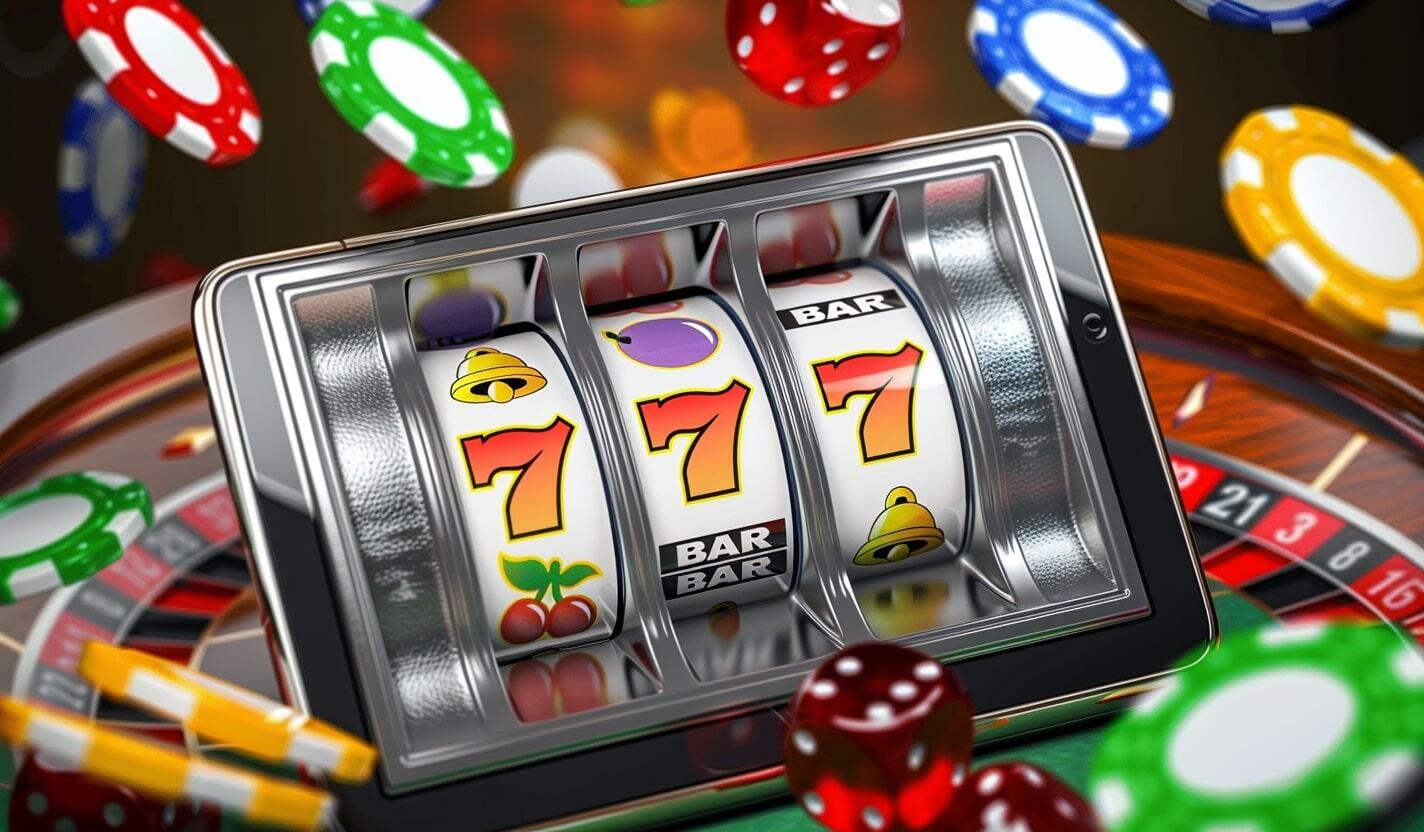
In the coming decade, the concept of gambling entertainment is expected to expand beyond traditional boundaries. With the advent of e-sports betting and fantasy sports, gambling is becoming intertwined with various forms of entertainment. This evolution not only attracts a diverse audience but also opens up new revenue streams for operators. The integration of gambling into mainstream entertainment can be observed in partnerships with major sports leagues and entertainment events, further normalizing gambling culture.
Moreover, innovations such as live dealer games and interactive streaming platforms are creating immersive experiences that blend traditional gambling with real-time interaction. Players can engage with live dealers and fellow participants, creating a social atmosphere reminiscent of physical casinos. This trend is expected to grow, as operators continuously seek ways to enhance player engagement and interaction.
As gambling becomes more integrated into various facets of entertainment, operators will need to adapt their marketing strategies. By tapping into the interests and preferences of a broader audience, they can create compelling narratives that resonate with potential customers. The future of gambling entertainment will not only be about games of chance but also about creating a rich, engaging experience that captures the hearts and minds of players around the world.